Categoria: Fármacos

  • Nitrosamines and the Pharmaceutical Industry
    Nitrosamines and the Pharmaceutical Industry

    Nitrosamines and Their Implications

    Nitrosamines are substances that raise concern due to their potential toxicity. They are formed by the bond between a nitroso group (-N=O) and a functional amine group (>N-) and can be found in various products, such as food and water.

    History and Research

    Since the 1950s, when Magee & Barnes discovered that rats developed liver tumors when they consumed feed contaminated with N-nitrosodimethylamine (NDMA), scientists have been actively investigating the toxicity of nitrosamines. Since then, we have identified the presence of these substances in several products, especially in foods treated with sodium nitrite, used as a coloring, flavoring and preservative.

    Recent Drug Concerns

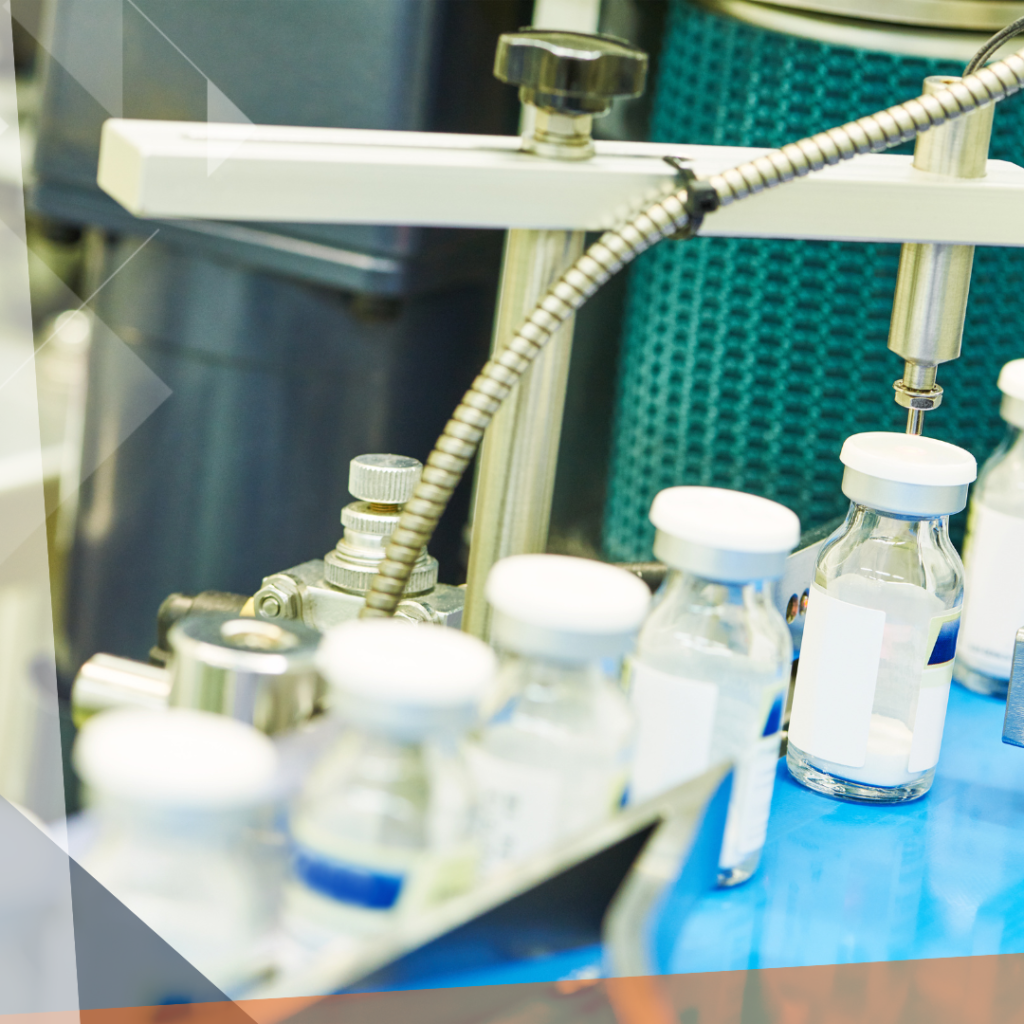
    In 2018, the concern with nitrosamines expanded to the production of medicines. Initially, manufacturers of Active Pharmaceutical Ingredients (APIs), such as angiotensin II receptor antagonists known as “Sartanas”, warned about the possible presence of these substances in their products. Eventually, this fact led regulatory agencies around the world, including the Agência Nacional de Vigilância Sanitária (ANVISA) in Brazil, to intensify surveillance to keep nitrosamine levels in medicines below acceptable limits. Finally, in Brazil, these measures resulted in more than 30 health actions, including bans, suspensions and recalls.

    Expanded Surveillance for Other Medications

    Concern about nitrosamines was not just limited to “Sartanas”. In 2019, these compounds were found in medications such as ranitidine and metformin. Furthermore, it was found that these substances can form from packaging containing nitrocellulose.

    Importance of In Silico Studies

    Therefore, it is crucial to maintain constant surveillance of medications and their degradation products, as the potential risk of nitrosamines is high. However, in silico studies, which use computer simulations to predict the presence of these substances, emerge as a promising tool to mitigate this risk during the production of APIs. In short, these simulations represent a significant advance in pharmaceutical safety.


    For more information, see:

  • Brazilian Medicines: History and Development

    Brazilian Medicines: History and Development

    One of the first Brazilian medicines is Tríaga Brasilica and had its origins in the colonial period. It is a recipe based on plants, animals and other substances, such as minerals and oils, classified as a “panacea” for its ability to treat various diseases. Undeniably, it is an adaptation of the European Triaga Magna, recorded by the Jesuits in the 18th century.

    Scientific Advances in the 20th Century

    In 1949, pharmacologist Sérgio Henrique Ferreira, from the Faculty of Medicine of Ribeirão Preto (FMRP-USP), made a significant discovery when studying the venom of the jararaca. In this way, he identified an inhibitor of the angiotensin I-converting enzyme, which would become the active ingredient in the drug Captopril, whose patent is held by Bristol-Myers Squibb.

    Development of Brazilian Medicines for Neglected Diseases

    However, although Brazil suffers from the prevalence of neglected diseases and low investment in drug development, there have been notable advances. One example is ASMQ, an antimalarial drug developed by the Instituto Farmanguinhos da Fiocruz, in partnership with the DNDi organization and produced by Cipla. Although registered in Brazil in 2008, ASMQ is recognized worldwide and certified by several regulatory entities, including the WHO, US FDA and UK MHRA.

    Recent Innovations and Collaborations

    Another highlight is Vonau flash, developed by professor and pharmacist Humberto Gomes Ferraz, with support from Farmacêutica Biolab, which holds part of the patent and exclusive marketing rights. In short, this medication was an innovation for ondansetron, making it more accessible and, until 2019, Vonau flash was responsible for 90% of the royalties received by USP.

    The trajectory of drug development in Brazil reveals a constant need for investment from private companies, often foreign, to pay for the creation and manufacturing process. In summary, the absence of a completely developed medicine in the country stands out, from discovery to production and commercialization.

    Challenges in Financing and Production, in addition to the need for investment

    In an interview with the Brazilian Society for the Progress of Science (SBPC) in 2019, Dr. Gláucius Oliva, professor at USP and former president of CNPq, stated that Brazil has evolved in the pharmaceutical market, but still depends on imported assets and inputs. He highlighted the need for financial support, exemplifying that a single company can invest up to 20 billion in R&D, while Brazil invested only 330 million in financing CNPq scholarships in 2019, with the total budget of the Ministry of Science and Technology being R $2.9 billion.

    Therefore, it is clear that Brazil has great potential in science and drug development, but faces significant challenges due to low investment. First of all, to boost the Brazilian pharmaceutical industry, it is essential to increase investments in research and promote partnerships between public institutions and private companies.


    For more information, see:

  • The challenges of computational chemistry in industry

    The challenges of computational chemistry in industry

    Computational chemistry has gained prominence in the industry due to technological advances and the encouragement of the use of alternative methods, replacing the use of animals. Despite being an innovation that has been present for over 50 years, acceptance by regulatory agencies is still slow, especially in Brazil.

    Factors Contributing to Slow Development:

    1. High Computational Cost: Carrying out complex calculations, such as Molecular Dynamics, requires intensive data processing. This consequently implies the need for advanced computing infrastructure, which increases costs.
    2. Need for Validation and Proof of Equivalence: Computational methods need to be validated to ensure that they are substitutes or complementary to in vitro and in vivo experimental methods. Thus, this requires detailed and robust comparative studies.
    3. Resistance from Brazilian Regulatory Agencies: Traditionalism in the Brazilian pharmaceutical industry contributes to resistance to adopting new methods. Furthermore, regulatory agencies offer few incentives for establishing computational chemistry as an alternative.
    4. Adaptation to RENAMA Requirements: The National Network of Alternative Methods (RENAMA) is responsible for making alternative methods official. Therefore, adapting to your procedural requirements can be a challenge for implementing new computational methods.

    Future perspectives:

    Despite these barriers, there are signs of positive change in the Brazilian scenario. Especially with initiatives from the National Health Surveillance Agency (ANVISA), it is therefore expected that computational chemistry will be increasingly used in industry. This will contribute significantly to reducing the use of animals in areas such as the development of medicines and agricultural pesticides.

    Importance and Applications of Computational Chemistry

    Computational chemistry offers several advantages:

    • Cost and Time Reduction: Computational simulations can significantly reduce the costs and time of developing new compounds, compared to traditional experimental methods.
    • Precision and Efficiency: Methods such as Molecular Dynamics and Ab initio composite methodologies allow a detailed understanding of molecular mechanisms, helping in the rational design of drugs.
    • Ethical Alternative: Reducing the use of animals in research is a growing ethical demand, and computational chemistry offers a viable solution to meet this need.

    Conclusion

    The use of computational chemistry in the Brazilian pharmaceutical industry still faces significant challenges, such as high computational cost and regulatory resistance. However, as technology advances and acceptance by regulatory agencies increases, these methods are expected to become more prevalent. This will not only boost scientific innovation in Brazil, but will also promote more ethical and sustainable practices in the development of new products.


    For more information, see:

  • Qualification of Impurities and Degradation Products

    Qualification of Impurities and Degradation Products

    The qualification of impurities and degradation products is a crucial process to ensure the biological safety of consumed medicines. To this end, this process uses scientific tools and technical data in order to validate that the health risk related to the use of a specific substance is insignificant.

    Importance of Qualification

    The importance of this qualification lies in the fact that all medicines contain impurities and degradation products. However, only those that exceed the limits established by Anvisa, based on the maximum daily dose, require a safety assessment. This assessment is essential to ensure the safety of medicines for human use.

    Mutagenicity Assessment

    To assess the mutagenicity of impurities, two complementary (Q)SAR prediction methods are used. The expert rule-based method employs a predefined set of rules to predict the mutagenic potential of impurities. On the other hand, the statistics-based method uses statistical data to make predictions about mutagenicity.

    Both methods must follow the validation principles of the OECD (Organization for Economic Co-operation and Development). If neither method presents structural alerts, we classify the impurity as non-mutagenic (Mutagenicity Class 5), thus eliminating the need for additional testing.

    Therefore, this process not only ensures regulatory compliance but also strengthens consumer confidence in pharmaceutical products. Anvisa establishes strict guidelines to qualify impurities and degradation products, ensuring that medicines on the Brazilian market reach the highest safety and quality standards.


    For more information, see:

  • Drug Development: The Role of In Silico Techniques
    Drug Development: The Role of In Silico Techniques

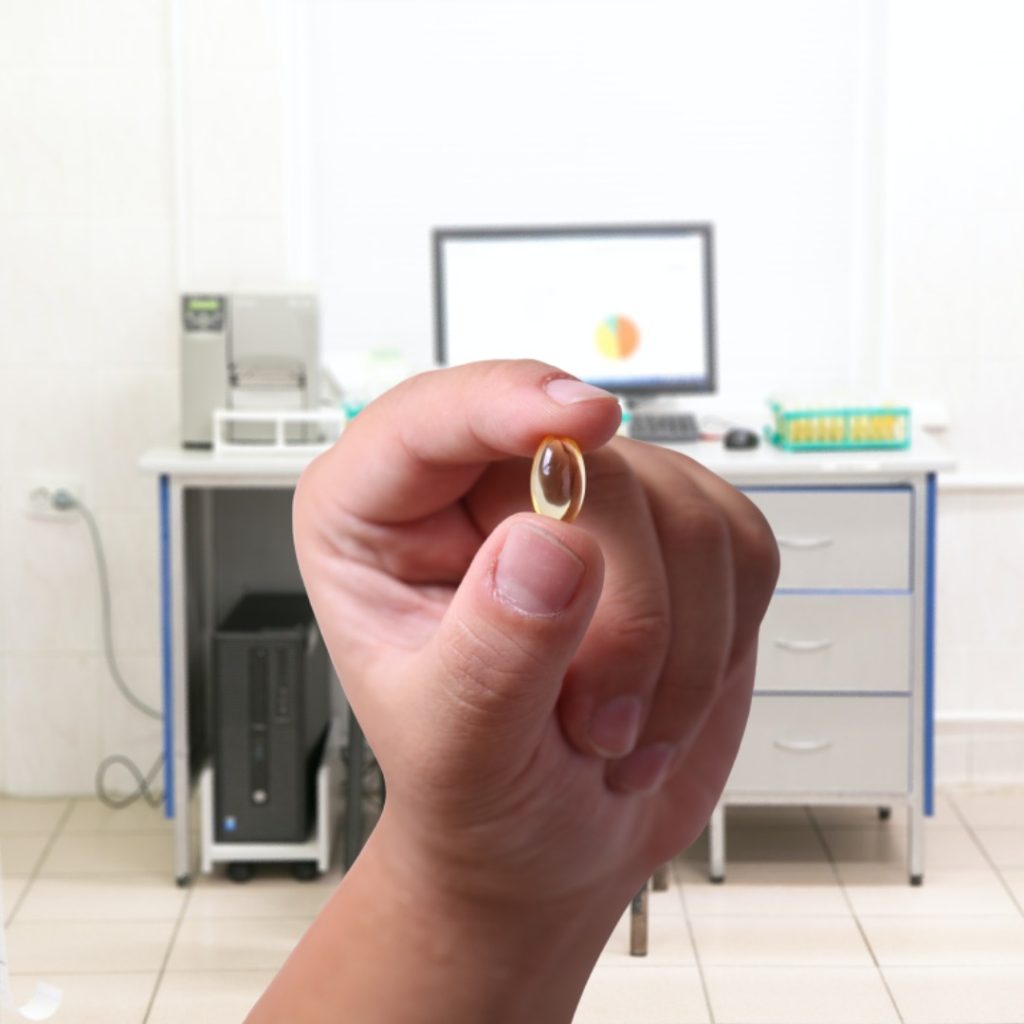
    Drug development goes through several stages, from pre-clinical studies to clinical studies. In the in silico phase, it focuses on the beginning of pre-clinical research, before animal testing, with the aim of reducing costs and minimizing the use of animals in the laboratory. Furthermore, with the advancement of computational techniques, a significant possibility of savings arises, as bioactive molecules are identified through algorithms.

    Examples of Success in Drug Development with In Silico Methodologies

    In silico methodologies have achieved positive results. For example, the discovery of the drug oseltamivir (Tamiflu®) was possible through the rational design of molecules analogous to sialic acid – a structure that binds to the neuraminidase protein of the influenza virus. In this way, scientists developed a potent inhibitor of carbocyclic neuraminidase, which prevents the complete viral cycle of the influenza virus in the human body and resulted in a reduction in infection time, virulence and viral transmission.

    Furthermore, another notable example is the drug aliskiren (Tekturna®), a potent antihypertensive that inhibits renin, drastically reducing the production of angiotensin and preventing vasoconstriction. In fact, aliskiren contributes significantly to reducing high blood pressure, reducing the risk of cardiovascular disease and controlling blood pressure in people with chronic hypertension.

    Importance and Application of In Silico Methodologies

    Several other drugs exemplify the success of in silico methodologies. Therefore, these techniques are fundamental in the discovery and development of pharmaceutical products that reach the market. Large pharmaceutical companies, such as Novartis, have sectors dedicated to in silico drug development, which supports confidence in these methodologies.


    For more information, see:

  • Inovação no P&D Farmacêutico com Análises Computacionais

    Inovação no P&D Farmacêutico com Análises Computacionais

    A busca por novos compostos terapêuticos — sejam fármacos, nutracêuticos ou cosméticos — exige, cada vez mais, precisão, agilidade e segurança. Nesse cenário competitivo, as análises computacionais aplicadas ao desenvolvimento de medicamentos estão ganhando destaque como soluções tecnológicas indispensáveis no setor de Pesquisa e Desenvolvimento (P&D).

    Ao adotar modelos preditivos baseados em dados, torna-se possível antecipar propriedades críticas de moléculas, como farmacocinética, toxicidade e eficácia terapêutica, antes mesmo da fase laboratorial. Ou seja, essa abordagem, conhecida como predição in silico, tem transformado significativamente a forma como produtos farmacêuticos são desenvolvidos.

    Predições In Silico: Tecnologia Avançada Desde as Etapas Iniciais do P&D

    As análises computacionais utilizam inteligência artificial, machine learning e modelagem molecular para prever o comportamento de compostos com alto nível de precisão. Além disso, essa tecnologia oferece vantagens competitivas desde as etapas mais iniciais de um projeto. Nesse sentido, veja a seguir como isso funciona na prática:

    1. Predição Farmacocinética (ADME)

    Modelos computacionais simulam como um composto será Absorvido, Distribuído, Metabolizado e Excretado (ADME) pelo organismo. Com isso, é possível:

    • Identificar precocemente moléculas com baixa biodisponibilidade;

    • Evitar o avanço de compostos com risco de acúmulo tóxico em tecidos;

    • Por conseguinte, reduzir custos com testes laboratoriais e acelerar a seleção de candidatos viáveis.

    2. Toxicologia Preditiva: Avaliação de Riscos Antes dos Testes

    Utilizando bancos de dados validados e algoritmos inteligentes, é possível prever com antecedência:

    • Potencial mutagênico, carcinogênico ou hepatotóxico;

    • Além disso, identificar riscos regulatórios que podem atrasar ou inviabilizar o projeto;

    • Perfis de toxicidade que impactam diretamente a segurança do produto.

    Portanto, essas análises auxiliam na tomada de decisão rápida, evitando retrabalhos e focando o investimento nos melhores candidatos.

    3. Eficácia Terapêutica e Interação com Alvos Biológicos

    Ferramentas como docking molecular e dinâmica molecular simulam, em tempo real, a interação de uma molécula com seus alvos terapêuticos. Desse modo, é possível:

    • Estimar com precisão a afinidade de ligação;

    • Consequentemente, priorizar compostos com maior potencial farmacológico;

    • Assim, aumentar as chances de sucesso em fases clínicas avançadas.

    Vantagens Estratégicas: Redução de Custos e Aceleração do Processo

    Ao integrar a predição in silico desde o início do projeto, as empresas conseguem:

    • Minimizar falhas em ensaios clínicos, que representam os maiores custos do desenvolvimento;

    • Além disso, agilizar a triagem de compostos promissores com maior assertividade;

    • Com isso, economizar recursos financeiros e humanos, tomando decisões mais embasadas.

    Em um mercado onde a inovação precisa caminhar junto com a conformidade regulatória, essas vantagens se tornam determinantes para o sucesso.

     A DruGet é sua parceira em inovação no desenvolvimento de compostos

    Na DruGet, aplicamos metodologias avançadas de predição computacional para otimizar o processo de desenvolvimento de compostos bioativos. Com isso, conseguimos oferecer:

    • Modelagem de farmacocinética e toxicidade com foco regulatório;

    • Simulações moleculares de eficácia e interação com alvos biológicos;

    • Relatórios personalizados que orientam decisões baseadas em ciência, reduzindo riscos e acelerando o time-to-market.

    Quer reduzir custos e acelerar seu pipeline de P&D?

    Fale com a nossa equipe e descubra como as soluções da DruGet podem transformar seus projetos com inovação, eficiência e segurança.

  • Innovation in Pharmaceutical R&D Through Computational Analysis

    Innovation in Pharmaceutical R&D Through Computational Analysis

    The race to discover new therapeutic compounds — whether drugs, nutraceuticals, or cosmetics — increasingly demands precision, speed, and safety. In this competitive landscape, computational analysis applied to drug development is emerging as an indispensable technological solution within Research and Development (R&D).

    By leveraging data-driven predictive models, it becomes possible to anticipate critical molecular properties — such as pharmacokinetics, toxicity, and therapeutic efficacy — even before reaching the lab stage. In other words, this approach, known as in silico prediction, is transforming the way pharmaceutical products are developed.

    Computational Analysis (In Silico Predictions): Advanced Technology from the Very Start of R&D

    Computational (in silico) analysis uses artificial intelligence, machine learning, and molecular modeling to predict compound behavior with a high degree of accuracy. Moreover, this technology offers competitive advantages from the earliest stages of a project. Let’s explore how it works in practice:

    1. Pharmacokinetic Prediction (ADME)

    Computational models simulate how a compound will be Absorbed, Distributed, Metabolized, and Excreted (ADME) by the body. As a result, it is possible to:

    • Identify early molecules with low bioavailability;

    • Avoid progression of compounds with a risk of toxic accumulation in tissues;

    • Consequently, reduce laboratory costs and accelerate the selection of viable candidates.

    2. Predictive Toxicology: Risk Assessment Before Testing

    By using validated databases and intelligent algorithms, it becomes feasible to predict in advance:

    • Mutagenic, carcinogenic, or hepatotoxic potential;

    • In addition, regulatory risks that may delay or halt the project;

    • Toxicity profiles that directly impact product safety.

    Therefore, these analyses support faster decision-making, reduce rework, and help focus investments on the most promising candidates.

    3. Therapeutic Efficacy and Target Interaction

    Tools such as molecular docking and molecular dynamics simulate, in real time, a compound’s interaction with its therapeutic targets. This allows for:

    • Accurately estimating binding affinity;

    • Prioritizing compounds with higher pharmacological potential;

    • Thus, increasing the likelihood of success in later clinical stages.

    Strategic Advantages: Cost Reduction and Process Acceleration

    By integrating in silico prediction from the project’s outset, companies can:

    • Minimize failures in clinical trials, which represent the highest costs in development;

    • Furthermore, streamline the screening of promising compounds with greater accuracy;

    • As a result, save financial and human resources through more informed decision-making.

    In a market where innovation and regulatory compliance must go hand in hand, these advantages become critical to success.

    DruGet: Your Innovation Partner in Bioactive Compound Development

    At DruGet, we apply advanced computational prediction methodologies to streamline the development of bioactive compounds. With that, we offer:

    • Pharmacokinetic and toxicity modeling with regulatory focus;

    • Molecular simulations for therapeutic efficacy and target interaction;

    • Customized reports to guide science-based decisions, reducing risks and accelerating time-to-market.

    Want to reduce costs and speed up your R&D pipeline?

    Talk to our team and discover how DruGet’s solutions can transform your projects with innovation, efficiency, and safety.

  • Quality Control in the Pharmaceutical Sector
    Quality Control in the Pharmaceutical Sector

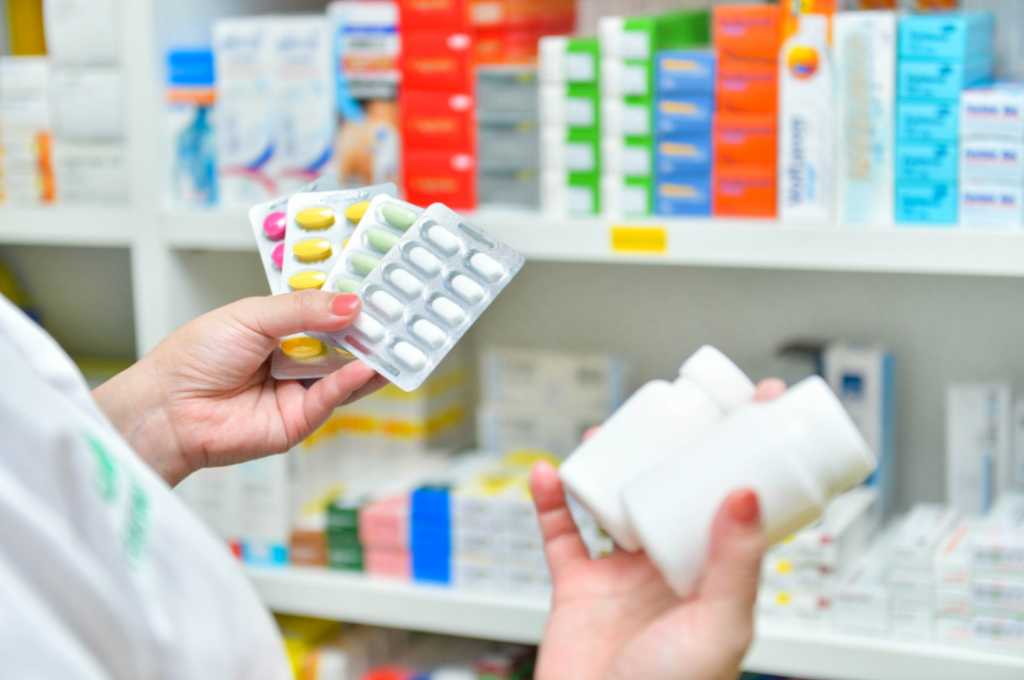
    Agencies strictly control the global pharmaceutical sector, establishing and monitoring guidelines to ensure the safety and quality of products, both those sold and those in the approval process. Additionally, these agencies play a crucial role in the ongoing oversight of manufacturing practices, thereby ensuring that standards are maintained at all stages of the product lifecycle.

    ANVISA standards and Brazilian Pharmacopoeia

    In Brazil, the Agência Nacional de Vigilância Sanitária (National Health Surveillance Agency – ANVISA), created by Law No. 9,782 of January 26, 1999, is responsible for establishing standards through resolutions of the collegiate board (RDCs), informative guides, technical notes and other official documents . In addition, ANVISA also prepares the Brazilian pharmacopoeia, a compendium that describes production methods for pharmaceutical products. Consequently, this pharmacopoeia ensures greater safety in industrial production, especially in preventing the formation and storage of impurities that may arise during the pharmacotechnical or storage process.

    Types of Impurities and Quality Control

    Undesirable substances found in the pharmaceutical ingredient or finished product, which are not the active ingredient or its excipients, are impurities. We classify these impurities as:

    • Organic and Inorganic: Originated during manufacturing or storage.
    • Residual Solvents: Remain after synthesis processes.

    Importance of Guidelines and RDC No. 658/2022

    Due to the high health risk that these impurities represent, health surveillance agencies require pharmaceutical industries to maintain sectors specialized in quality control, issuing technical reports to facilitate inspection. In Brazil, these sectors must follow RDC No. 658/2022, which establishes general guidelines for good drug manufacturing practices. In addition, there are also specific standards for quality control depending on the type of medicine or product.

    Forced Degradation Procedure

    An example of a procedure carried out by quality control sectors is forced degradation. In this method, the product is subjected to stress conditions such as light, temperature, humidity, heat and acidification to identify the conditions under which it begins to degrade and release potentially harmful metabolites. Furthermore, this method provides valuable information about how the product should be stored and guides industries in improving manufacturing routes. Furthermore, ANVISA regulates these procedures through RDC No. 53/2015.


    For more information, see:

  • Process of obtaining a medicine

    Process of obtaining a medicine

    The process of obtaining a medicine begins with a scientific curiosity aimed at solving health problems. First, scientists begin preclinical testing in the laboratories of pharmaceutical companies or higher education institutions, based on a well-founded hypothesis and a rational method.

    Pre-Clinical Phase

    In the pre-clinical phase, researchers carry out three main testing stages:

    1. In Vitro: They test isolated cells or specific tissues.
    2. In Silico: They use computer simulations to predict how molecules behave.
    3. In Vivo: They conduct tests on animals, primarily mammals, to assess initial efficacy and safety.

    Clinical Tests

    Soon after confirming the efficacy in pre-clinical models and validating the initial hypothesis, researchers begin clinical trials on humans, divided into four phases:

    1. Phase 1: They evaluate the safety of the drug in dozens of healthy volunteers over a few months.
    2. Phase 2: They check the drug’s effectiveness in dozens to a few hundred individuals with the target disease.
    3. Phase 3: They test the drug on hundreds to thousands of people. In this most critical phase, they compare the drug with placebos and already established therapies, discarding many drugs based on rigorous risk-benefit assessment.
    4. Phase 4: After regulatory approval, they commercialize the drug and continue to monitor for potential adverse effects in a larger, more diverse population.

    Registration and Commercialization of the Medicine Obtaining Process

    Thus, if the drug shows robust safety and efficacy after phase 3, the pharmaceutical industry submits the drug to health surveillance bodies, such as ANVISA in Brazil and the FDA in the United States, to obtain registration. Even after commercialization, phase 4 continues, with the pharmaceutical industry and inspection agencies monitoring possible adverse effects that may arise.


    For more information, see:

  • How does a medicine work?

    How does a medicine work?

    A medicine acts through chemical processes by interacting with molecules that regulate physiological processes in the body. This interaction may result in the inhibition of certain substances or the exacerbation of their excretion. Target substances often include neurotransmitters, inflammatory cytokines, growth factors, second messengers, hormones, among other molecules critical to the body’s functioning.

    Absorption and Distribution Challenges for the Drug to Act

    To be effective, a medicine needs to cross several barriers within the human body. Firstly, it faces the enzymes present in the oral region, which begin to break down the active ingredient. Next, the medicine must resist the acidic environment of the stomach, where many substances can be degraded. Furthermore, it faces enzymes from the complex enteric-hepatic system, which can chemically modify the medication before it reaches systemic circulation. After surviving these enzymes and acidity variations, the active ingredient of the medicine needs to diffuse into the circulatory system to reach the therapeutic target effectively.

    Interaction with Therapeutic Targets

    The therapeutic targets of a drug are usually proteins or glycoproteins, which play key roles in regulating many physiological processes. For an effective interaction to occur between the active ingredient and the therapeutic target, it is essential that both have conformational affinity, that is, their shapes and structures must be compatible to bind efficiently. Therefore, scientists carry out extensive studies to collect the chemical information necessary to define this affinity between the target and the active ingredient. These studies include advanced molecular biology and biochemistry techniques, as well as computational modeling to predict how molecules will interact.

    Moreover, the distribution of the medication within the body is uneven and depends on various factors, such as the solubility of the active ingredient, the permeability of cell membranes, and the presence of specific transporters that either facilitate or hinder the medication’s access to target tissues. Researchers must also consider the potential interactions with other medications the patient may be taking, as these interactions can affect the treatment’s effectiveness and safety.

    Therefore, developing an effective and safe medicine involves a deep understanding of pharmacokinetics and pharmacodynamics, as well as an integrated approach that combines chemistry, biology and technology. Only with this multidisciplinary approach is it possible to guarantee that the medicine reaches its therapeutic target, exerts the desired effect and is eliminated from the body without causing harm.


    For more information, see:

    • KATZUNG, Bertram; TREVOR, Anthony. Farmacologia básica e clínica. São Paulo: ArtMed, 2017.