Nitrosamines and Their Implications
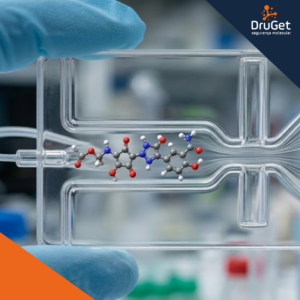
Nitrosamines are substances that raise concern due to their potential toxicity. They are formed by the bond between a nitroso group (-N=O) and a functional amine group (>N-) and can be found in various products, such as food and water.
History and Research
Since the 1950s, when Magee & Barnes discovered that rats developed liver tumors when they consumed feed contaminated with N-nitrosodimethylamine (NDMA), scientists have been actively investigating the toxicity of nitrosamines. Since then, we have identified the presence of these substances in several products, especially in foods treated with sodium nitrite, used as a coloring, flavoring and preservative.
Recent Drug Concerns
In 2018, the concern with nitrosamines expanded to the production of medicines. Initially, manufacturers of Active Pharmaceutical Ingredients (APIs), such as angiotensin II receptor antagonists known as “Sartanas”, warned about the possible presence of these substances in their products. Eventually, this fact led regulatory agencies around the world, including the Agência Nacional de Vigilância Sanitária (ANVISA) in Brazil, to intensify surveillance to keep nitrosamine levels in medicines below acceptable limits. Finally, in Brazil, these measures resulted in more than 30 health actions, including bans, suspensions and recalls.
Expanded Surveillance for Other Medications
Concern about nitrosamines was not just limited to “Sartanas”. In 2019, these compounds were found in medications such as ranitidine and metformin. Furthermore, it was found that these substances can form from packaging containing nitrocellulose.
Importance of In Silico Studies
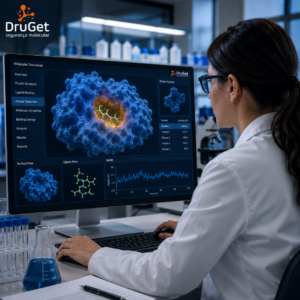
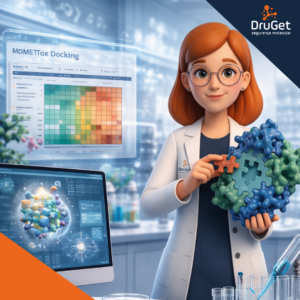
Therefore, it is crucial to maintain constant surveillance of medications and their degradation products, as the potential risk of nitrosamines is high. However, in silico studies, which use computer simulations to predict the presence of these substances, emerge as a promising tool to mitigate this risk during the production of APIs. In short, these simulations represent a significant advance in pharmaceutical safety.
For more information, see:
- Brasil. Guia sobre o Controle de Nitrosaminas em Insumos Farmacêuticos Ativos e Medicamentos. Agência Nacional de Vigilância Sanitária – ANVISA. 2023.
- Dutra, C.B., Rath, S., & Reyes, F.G. Nitrosaminas voláteis em alimentos. Alimentação e Nutrição, 2007, 18(1), 111-120.
- Rath, S., & Canaes, L.S. Contaminação de produtos de higiene e cosméticos por N-nitrosaminas. Química Nova, 2009, 32, 2159-2168.