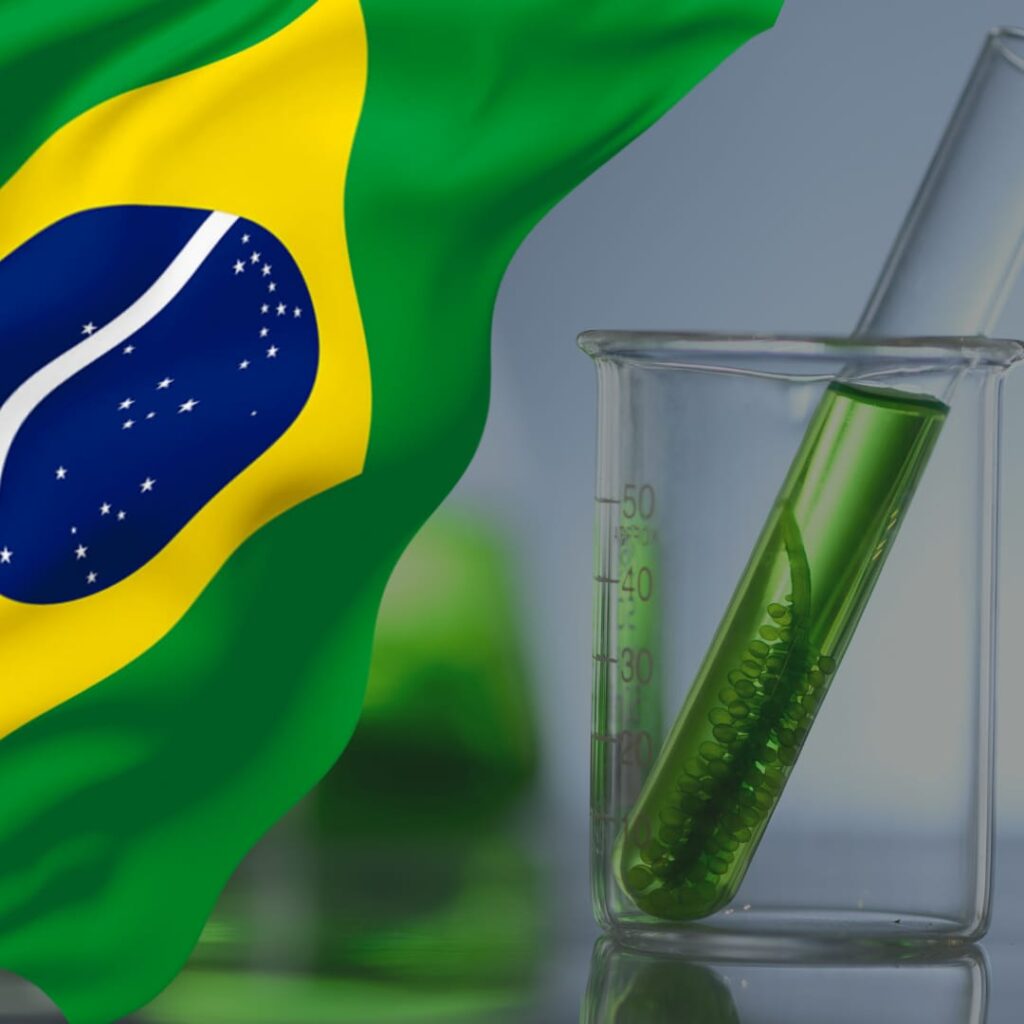
Science in Brazil is often defined by the word “resilience”. Thus, even with budget cuts, the dismantling of public funding institutions and challenges in the academic world, scientific production in the country maintains a good performance. However, according to Hernan Chaimovich, Professor Emeritus at the USP Chemistry Institute, this resilience has a limit.
Drop in Scientific Production
A 2023 Elsevier-Bori magazine report analyzed 51 countries that published more than 10,000 articles and, for the first time, Brazil showed a 7.4% drop in scientific production in 2022 compared to the previous year.
Science Financing in Brazil
Brazilian science is mostly produced in universities (responsible for around 90% of scientific production) and financed by government bodies such as the Conselho Nacional de Desenvolvimento Científico e Tecnológico (CNPq), the Coordenação de Aperfeiçoamento de Pessoal de Nível Superior (CAPES) and the Financiadora de Estudos e Projetos (FINEP). In addition, state Research Support Foundations also play an important role. Other sources of funding include universities’ own budgets and, in rare cases, partnerships with companies, such as Farmanguinhos/Fiocruz.
Technological Innovation Challenges
Due to the dependence of research institutions on government agencies and low funding, Brazil is one of the countries with high scientific production, but little technological innovation. Certainly, this requires a great capacity for adaptation from Brazilian scientists, often summarized by the term “Brazilian way”. This concept refers to the cultural ability to solve problems in a simple and low-cost way, exemplified by the “do-it-yourself” method highlighted by professor Gustavo Menezes from the Federal University of Minas Gerais (UFMG).
Investment Potential and Need
These factors show the great potential of science in Brazil, but also highlight the crucial need for investment to boost science and technology and avoid “brain drain”. Therefore, adequate investments are essential to provide opportunities and financial recognition to Brazilian scientists.
For more information, see:
- Escobar, H. Dados mostram que ciência brasileira é resiliente, mas está no limite. Jornal da USP. (2021).
- Garcia, R. Produção científica brasileira caiu 7,4% no ano passado, a maior queda entre 51 países. O Globo.(2023).
- Dudziak, E. Levantamento mostra quem financia a pesquisa no Brasil e na USP. Jornal da USP. (2018).
- Vieira, D. Farmanguinhos/Fiocruz assina acordo de parceria com a Boehringer Ingelheim para genérico que trata diabetes e insuficiência cardíaca. Boehringer Ingelheim. (2024).
- Ravindran, S. How DIY technologies are democratizing science. Nature. (2020).
- Torquatto, F. Professor da UFMG usa ‘jeitinho brasileiro’ de fazer ciência e é destacado pela ‘Nature’. G1.(2020).