Category: In silico

  • The Search for Active Molecules in the Pharmaceutical Industry

    The Search for Active Molecules in the Pharmaceutical Industry

    The search for active molecules is the objective of several pharmaceutical companies around the world. Many of these companies focus their research on plant extracts due to the immense diversity of chemical structures that these extracts offer.

    History of Drug Discoveries

    In the past, researchers searched for drugs at random and often, with a little luck, discovered promising compounds. A classic example is the discovery of penicillin in 1928. Despite being discovered by chance, many drugs found at that time are still used today and serve as structural models for classes of widely adopted drugs, such as penicillin and salicylates derived from the bark of willow that gave rise to acetylsalicylic acid.

    Technological Advances in Drug Planning

    With the emergence of new technologies, drug planning has become more technological and based on mechanisms of action and the design of new molecules inspired by old structures, but more effective and less toxic.

    Incorporation of Computational Methods (in silico)

    The incorporation of computational methods, known as in silico, is one of these updates in the planning of new drugs. These methods enable high-throughput screenings of large databases containing diverse molecular structures. Furthermore, they enable the search for promising molecules within specific plant extracts. Not all molecules found in plant extracts have relevant activity to become drug candidates; therefore, it is essential to create filters to recognize the most promising ones.

    Benefits of In Silico Methods in the Search for Active Molecules

    In silico methods significantly help pharmaceutical industries by focusing on identifying the most promising molecules and discarding those that are less relevant. This efficiently directs time and money efforts towards molecules with more favorable characteristics. Furthermore, these methods contribute to making products more environmentally friendly, reducing the use of animals in in vivo tests and minimizing the amount of bench reagents.

  • COVID-19: Drug Discovery and Repurposing
    COVID-19: Drug Discovery and Repurposing

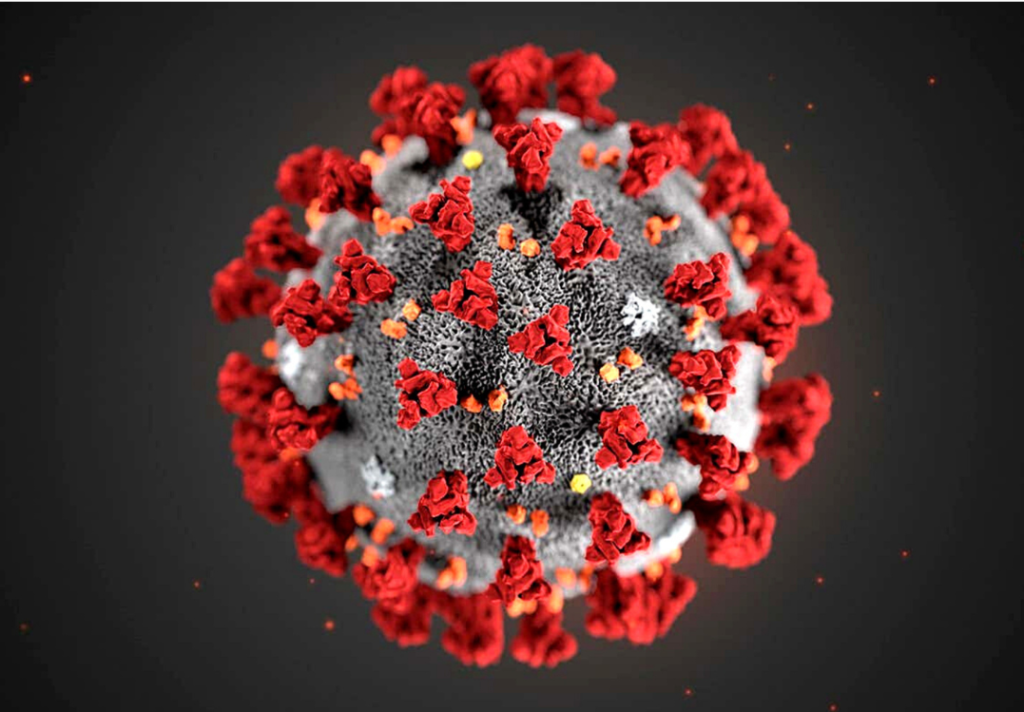
    The COVID-19 pandemic, caused by the SARS-CoV-2 virus, prompted researchers from government agencies and the private sector to look for potential medicines to reduce or eliminate the symptoms of the disease. To accelerate the discovery of an effective drug, both the drug repurposing strategy and the identification of new SARS-CoV-2 proteins were widely used.

    Computational Molecular Modeling in Drug Discovery

    Firstly, computer-aided drug discovery, or computational molecular modeling, has become an indispensable tool. Additionally, through in silico methods, it was possible to better understand the mechanisms of action of potential molecules for the treatment of COVID-19. Furthermore, identifying promising biological targets, such as the spike protein, and exploring large data libraries full of information about promising molecules have been essential practices in this context.

    Virtual Screening and Repurposing of Medicines

    The virtual screening strategy makes it possible to search within these libraries of molecular data for promising chemical structures to treat specific diseases, such as COVID-19. Moreover, through virtual screening, it was possible to explore FDA (US Health Surveillance Agency) databases and initiate drug repurposing studies.

    For example, analogous to a notable study carried out by DruGet members and collaborators, published in 2020 in the journal Life Science, exemplifies the use of these methods. Specifically, the research aimed to find molecules in databases capable of inhibiting a protein essential for the life cycle of SARS-CoV-2. By using pharmacological filters, it was concluded that two molecules—a new chemical entity and an already established antithrombotic—showed promise for viral inhibition. Consequently, this preliminary study was crucial for selecting molecules with potential for future studies in animals and humans.

    Drug Repurposing: A Promising Strategy

    In summary, drug repurposing is a strategy in pharmacology and medicine that consists of using an existing drug for a specific medical condition and applying it to a different disease, thus requiring pre-clinical and clinical studies for validation.

    For more details, check out the article mentioned: