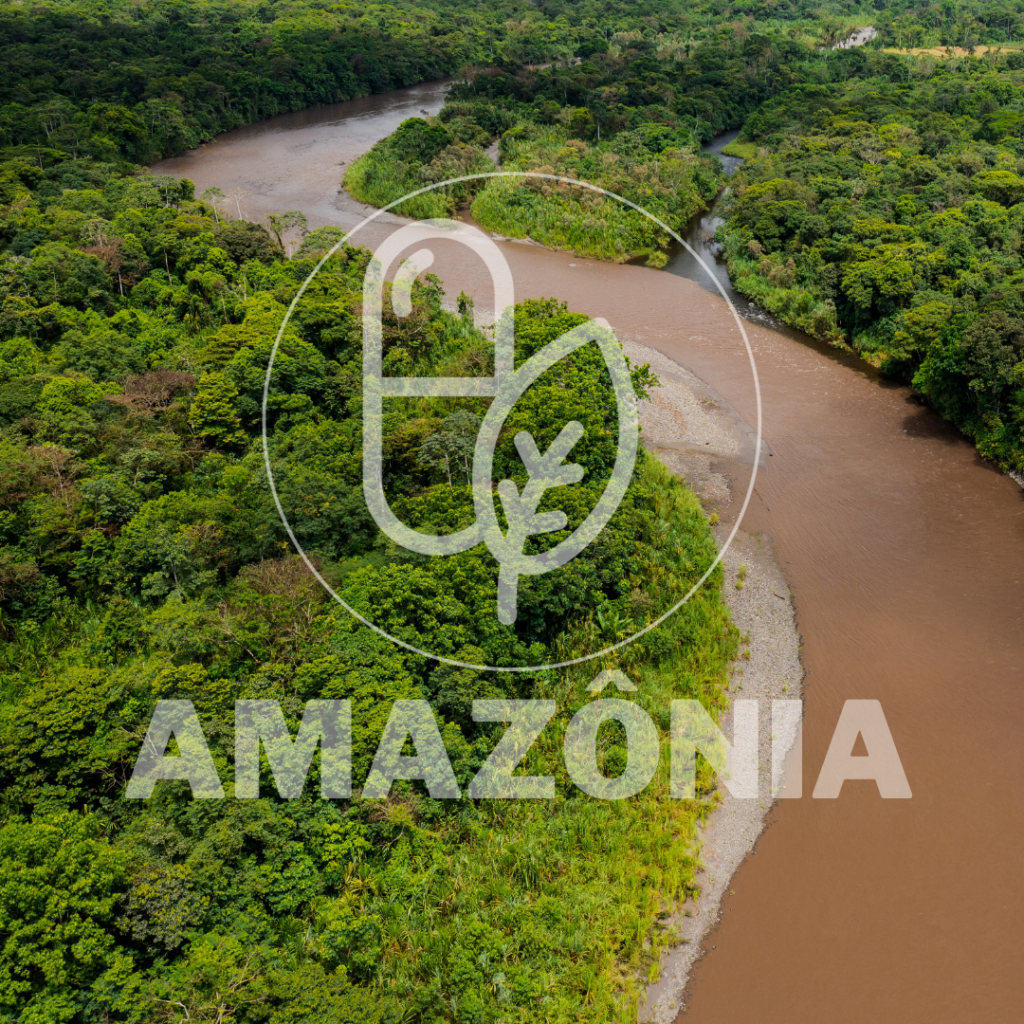
Amazon, with its vast biodiversity, is one of Brazil’s greatest riches. Furthermore, around 90% of the Amazon forest area remains unexplored, highlighting the need for scientific investment and innovation to explore its potential.
Low Technological Content of Bioproducts
Currently, many Amazonian bioproducts sold have low technological content, such as fresh fruits and unrefined vegetable oils. Although technologically simple, these products are heavily exported as commodities and valued for their Amazonian origin.
Opportunities in the Phytotherapeutic and Phytocosmetic Sectors
With more than 40 thousand species of plants, the Amazon forest has significant potential for the development of the phytotherapeutic and phytocosmetic sectors. Undeniably, these sectors are essential for the economic use of local biodiversity, especially when advanced technical-scientific bases are used. Therefore, this production model can elevate the Amazon to the top of the contemporary industrial structure, thus promoting methods of sustainable use of natural resources.
Popular Knowledge and Scientific Innovation
The Amazon is home to vast popular knowledge about the healing properties of plants. Diverse cultures, especially the region’s natives, contributed to this knowledge. Consequently, biotechnology research and development centers are interested in this knowledge. Furthermore, this interest has been growing due to the unexplored potential of Amazonian plants.
Furthermore, it is estimated that popular knowledge is the origin of around 70% of plant-derived medicines. Additionally, plants are the basis of approximately 25% of modern pharmaceutical products. Finally, we produce many of these medicines from synthetic substitutes for compounds that we originally extracted from plants.
Conclusion
Therefore, investment in research and development in the Amazon is crucial to transform its biodiversity into bioproducts of high technological value. Harnessing vast traditional knowledge and integrating it with advanced scientific techniques can boost the region’s bioeconomy, promote sustainable development and place Brazil at the forefront of biotechnological innovation.
For more information, see:
- Filocreão, A. S. M., Galindo, A. G. & Dos Santos, T. D. J. S. Fitoterapia na Amazônia: a experiência do estado do Amapá-Brasil. Desenvolv. e Meio Ambient. 40, 399–420 (2017).
- GILBERT, Benjamin. Produtos Naturais Industrializáveis da Amazônia. Revista Fitos, [S.l.], v. 2, n. 3, p. 30-38, 2006.
- Santos, F. S. D. dos. Tradições populares de uso de plantas medicinais na Amazônia. História, Ciências, Saúde-Manguinhos vol. 6 919–939 (2000).
- Sousa, K. A., Santoyo, A. H., Rocha, W. F., De Matos, M. R. & Silva, A. D. C. Bioeconomia na Amazônia: Uma análise dos segmentos de fitoterápicos & fitocosméticos, sob a perspectiva da inovação. Fronteiras 5, 151–171 (2016).