Categoria: Pesquisas

  • Toxicity prediction: how to prevent adverse reactions in R&D

    Toxicity prediction: how to prevent adverse reactions in R&D

    Toxicity prediction is one of the cornerstones of safety assessment in the development of new medicines and chemical compounds. From the early stages of R&D, understanding and anticipating potential adverse reactions is essential to reduce risks, avoid regulatory failure, and ensure project feasibility.

    In general, the toxicity of a molecule is directly related to its pharmacokinetic properties (ADME — Absorption, Distribution, Metabolism, and Excretion) and to how it interacts with biological systems. Therefore, mastering the science behind toxicity has become an indispensable strategy for safe innovation.

    Toxicity prediction and the limitations of traditional toxicology

    Traditionally, toxicity assessment relied on extensive in vivo studies, which, on the one hand, contributed to scientific advances but, on the other, significantly increased time, costs, and ethical concerns related to animal use.

    Moreover, many of these models have limitations when extrapolated to humans. As a result, the demand for more modern, efficient approaches aligned with current regulatory requirements continues to grow.


    In silico methods applied to toxicity prediction

    In this context, in silico toxicity prediction methods are revolutionizing how molecular safety is evaluated. By combining computational models, artificial intelligence, and robust databases, it is possible to predict toxicological risks even before laboratory testing.

    A molecular analysis platform based on computational toxicity prediction enables strategic evaluations, such as:

    • Prediction of toxicological properties: Estimates the potential for adverse effects and risks to human health.
    • Prediction of pharmacokinetic properties (ADME): Assesses how a molecule will be absorbed, distributed, metabolized, and excreted, directly influencing its safety profile.
    • Prediction of impurities and contaminants: Identifies, at an early stage, unwanted substances that may cause adverse reactions or regulatory issues.

    Thus, researchers can select safer and more promising molecules from the very beginning of development.

    Strategic impacts of toxicity prediction in R&D

    The adoption of computational toxicity prediction delivers clear and measurable benefits.
    First, it significantly enhances safety, as potential adverse reactions are identified early.
    In addition, these approaches promote sustainability and ethics by reducing reliance on animal testing.
    Consequently, there is a substantial reduction in costs and development time, since only the most viable candidates advance to complex experimental stages.

    In summary, this represents a paradigm shift: less trial and error, more scientific strategy.


    Toxicity prediction and molecular safety at DruGet

    At DruGet – Molecular Safety, we provide specialized solutions for toxicity prediction, pharmacokinetic evaluation, and compound safety assessment through computational technologies and alternative methods.

    Our goal is to support R&D teams in reducing regulatory risks, optimizing development, and making data-driven decisions, delivering customized technical reports with high scientific rigor.

    Furthermore, our work is aligned with principles of excellence, responsibility, innovation, and animal welfare, ensuring that your research advances with maximum safety and regulatory compliance.

    👉 Contact us and discover our molecular analysis platform.

  • Pharmacokinetic and toxicological prediction: an essential step in R&D

    Pharmacokinetic and toxicological prediction: an essential step in R&D

    Pharmacokinetic and toxicological prediction represents a strategic stage in the development of pharmaceuticals, cosmetics, and biotechnological products. According to the Tufts Center for the Study of Drug Development, the average cost to bring a new drug to market exceeds $2.6 billion. This process can take over 10 years, and despite all the investment, many projects still fail in clinical phases due to unexpected toxicity or low efficacy. In this context, anticipating ADME/Tox analysis becomes essential to mitigate risks and optimize resources.

    What is Pharmacokinetic and Toxicological Prediction?

    Pharmacokinetic properties (ADME) refer to how a substance is absorbed, distributed, metabolized, and excreted by the body. On the other hand, toxicological properties indicate the potential to cause adverse effects such as mutagenicity, carcinogenicity, or organ-specific toxicity.

    Thus, predicting these parameters before the preclinical phase helps prevent the advancement of molecules with unsafe profiles. As a result, the research process becomes not only more efficient but also less costly.

    Technological Tools That Support This Prediction

    With advances in technologies such as QSAR, machine learning, and molecular modeling, it is now feasible to predict the behavior of compounds based on their chemical structure. Instead of relying solely on animal testing, researchers now use databases and advanced algorithms to anticipate risks.

    Moreover, tools like VEGA QSAR, SwissADME, and admetSAR are widely employed for predictive analysis. Scientific studies have already proven that these methods offer accuracy levels comparable to laboratory assays, especially during early screening stages.

    Support from Regulatory Agencies and the 3Rs Principles

    Regulatory agencies such as ANVISA, EMA, and FDA have recognized and encouraged the use of computational approaches. These methods are considered valid alternatives for toxicity screenings and initial risk assessments.

    In addition, adopting these techniques aligns with the 3Rs Principles (Reduction, Refinement, and Replacement of animal use), significantly contributing to more ethical, modern, and sustainable practices in research and development.

    How DruGet Applies Pharmacokinetic and Toxicological Prediction

    At DruGet, we employ robust computational analyses to accelerate development and mitigate toxicological risks from the earliest stages of R&D. Our approach combines technological innovation, scientific rigor, and compliance with regulatory standards.

    Our services include:

    • Virtual screening based on chemical and biological data
    • Toxicity prediction: mutagenicity, hepatotoxicity, carcinogenicity, and other adverse effects
    • ADME evaluation to select molecules with better absorption and safety profiles
    • Regulatory support with technical reports aligned with ANVISA, EMA, and FDA guidelines

    Conclusion: Innovation with Safety Starts with Prediction

    Predicting pharmacokinetic and toxicological properties from the early stages of development is no longer just a trend — it is now an indispensable strategy. This approach not only saves time and investment but also enhances product safety and streamlines regulatory approval.

    🚀 At DruGet, we turn science and data into strategic decisions that accelerate the future of health — with responsibility, innovation, and ethics.

  • Previsão farmacocinética e toxicológica: etapa essencial no P&D

    Previsão farmacocinética e toxicológica: etapa essencial no P&D

    A previsão farmacocinética e toxicológica representa uma etapa estratégica no desenvolvimento de medicamentos, cosméticos e produtos biotecnológicos. Segundo o Tufts Center for the Study of Drug Development, o custo médio para lançar um novo fármaco no mercado ultrapassa US$ 2,6 bilhões. Esse processo pode durar mais de 10 anos e, apesar de todo o investimento, muitos projetos ainda fracassam nas fases clínicas devido à toxicidade inesperada ou à baixa eficácia.

    ➡️ Nesse contexto, antecipar a análise ADME/Tox torna-se essencial para mitigar riscos e otimizar recursos.

    O que é a previsão farmacocinética e toxicológica?

    As propriedades farmacocinéticas (ADME) dizem respeito a como uma substância é absorvida, distribuída, metabolizada e excretada pelo organismo. Por outro lado, as propriedades toxicológicas indicam o potencial de causar efeitos adversos, como mutagenicidade, carcinogenicidade ou toxicidade em órgãos específicos.

    Dessa maneira, prever esses parâmetros antes mesmo da fase pré-clínica evita o avanço de moléculas com perfil inseguro. Como resultado, o processo de pesquisa se torna não apenas mais eficiente, mas também menos oneroso.

    Ferramentas tecnológicas que apoiam essa previsão

    Com o avanço de tecnologias como QSAR, machine learning e modelagem molecular, tornou-se viável prever o comportamento de compostos com base na sua estrutura química. Em vez de depender exclusivamente de testes em animais, pesquisadores agora contam com bancos de dados e algoritmos avançados para antecipar riscos.

    Além disso, ferramentas como VEGA QSAR, SwissADME e admetSAR são amplamente utilizadas para esse tipo de análise preditiva. Estudos científicos já comprovaram que esses métodos oferecem níveis de acurácia comparáveis aos de ensaios laboratoriais, especialmente nas etapas iniciais de triagem.

    Apoio das agências reguladoras e os Princípios dos 3Rs

    Agências reguladoras como ANVISA, EMA e FDA têm reconhecido e incentivado o uso de abordagens computacionais. Esses métodos são considerados alternativas válidas para triagens toxicológicas e avaliações iniciais de risco.

    Além disso, a adoção dessas técnicas está alinhada com os Princípios dos 3Rs (Redução, Refinamento e Substituição do uso de animais), contribuindo significativamente para práticas mais éticas, modernas e sustentáveis na pesquisa e desenvolvimento.

    Como a DruGet aplica a previsão farmacocinética e toxicológica

    Na DruGet, empregamos análises computacionais robustas para acelerar o desenvolvimento e mitigar riscos toxicológicos desde os estágios iniciais do P&D. Nossa abordagem integra inovação tecnológica, rigor científico e conformidade com normas regulatórias.

    Entre nossos serviços, destacam-se:

    •  Triagem virtual com base em dados químicos e biológicos
    • Predição de toxicidade: mutagenicidade, hepatotoxicidade, carcinogenicidade e outros efeitos adversos
    • Avaliação ADME para selecionar moléculas com melhor perfil de absorção e segurança
    •  Suporte regulatório com relatórios técnicos compatíveis com ANVISA, EMA e FDA

    Conclusão: inovação com segurança começa pela previsão

    Prever propriedades farmacocinéticas e toxicológicas desde os primeiros passos do desenvolvimento deixou de ser uma tendência — hoje, é uma estratégia indispensável. Essa abordagem não apenas economiza tempo e investimento, como também fortalece a segurança dos produtos e agiliza a aprovação regulatória.

    🚀 Na DruGet, transformamos ciência e dados em decisões que aceleram o futuro da saúde, com responsabilidade, inovação e ética.

  • Use of Animals in Scientific Research

    Use of Animals in Scientific Research

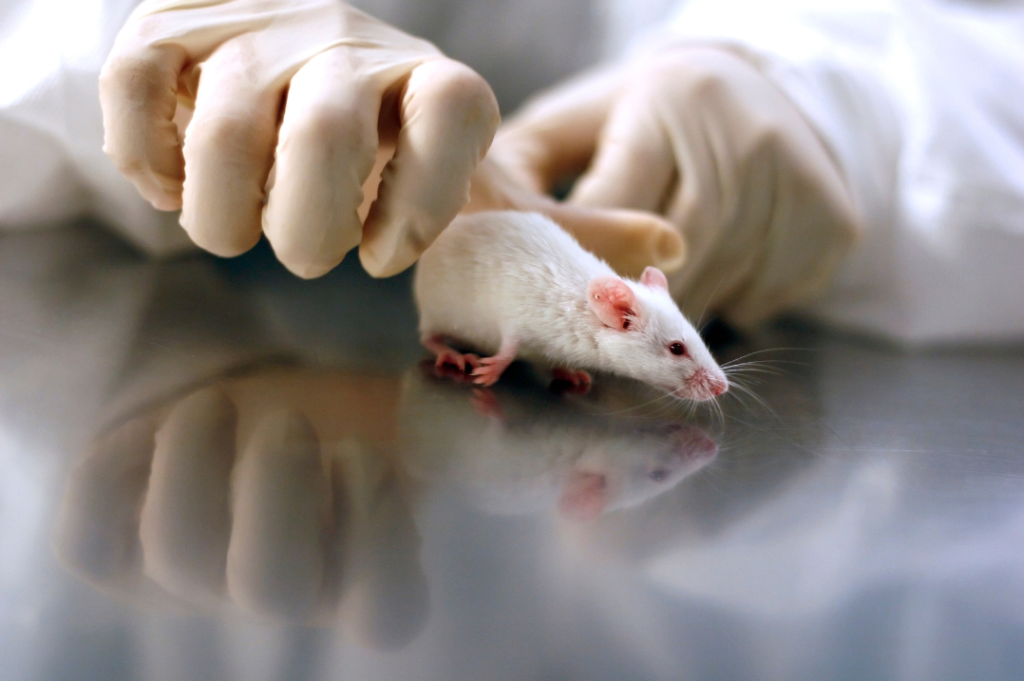
    The participation of animals in scientific research is crucial for the launch of reliable pharmaceutical products on the market, as several studies are needed to evaluate the effectiveness and safety of molecules in a living organism.

    History of the Use of Animals in Scientific Research

    The use of animals in scientific studies has been documented since ancient times. Hippocrates, the father of medicine, already made comparisons between the organs of mammals and human beings. However, until the middle of the 20th century, there were no ethical concerns about these studies. Therefore, the first publication on ethical concerns appeared in 1909.

    3Rs Principle: Reduction, Refinement and Replacement

    Currently, all research involving animals follows the 3Rs principle:

    • Reduction: Reduce the number of animals used.
    • Refinement: Improving study methods to minimize animal suffering.
    • Replacement: Replace animal studies with alternative methods whenever possible.
    • Regulatory Framework in Brazil: Arouca Law

    In Brazil, the Arouca Law, sanctioned in 2008, established strict limits for animal studies and created inspection mechanisms against animal violence, such as CONCEA (Conselho Nacional de Controle da Experimentação Animal – National Council for the Control of Animal Experimentation). CONCEA formulates standards and accredits institutions for breeding animals for research. Furthermore, each institution must have a CEUA (Comissão de Ética no Uso de Animais – Ethics Committee on the Use of Animals) to approve or disapprove studies with guinea pigs.

    Advances and Reductions in the Use of Animals

    Despite awareness and laws, it is still not possible to completely eliminate animal studies. However, industries and research centers have managed to significantly reduce the number of animals used. Advances in techniques that avoid repeating animal tests and the increased use of alternative methods, such as in vitro (isolated cells or tissues) and in silico (computational models), have contributed to this reduction. DruGet uses these advanced technologies to minimize the use of animals in its research.


    For more information, see:

  • Uso de Animais em Pesquisa Científica

    Uso de Animais em Pesquisa Científica

    A participação dos animais em pesquisa científica é crucial para o lançamento de produtos farmacêuticos confiáveis no mercado, visto que são necessários diversos estudos para avaliar a eficácia e segurança das moléculas em um organismo vivo

    Histórico da Utilização de Animais em Pesquisa Científica

    O uso de animais em estudos científicos é documentado desde a antiguidade. Hipócrates, o pai da medicina, já realizava comparações entre órgãos de mamíferos e seres humanos. No entanto, até meados do século XX, não havia preocupação ética com esses estudos. Assim sendo, a primeira publicação sobre preocupações éticas surgiu em 1909.

    Princípio dos 3Rs: Redução, Refinamento e Substituição

    Atualmente, todas as pesquisas envolvendo animais seguem o princípio dos 3Rs:

    • Reduction (Redução): Diminuir o número de animais utilizados.
    • Refinement (Refinamento): Melhorar os métodos de estudo para minimizar o sofrimento animal.
    • Replacement (Substituição): Substituir estudos em animais por métodos alternativos sempre que possível.

    Marco Regulatório no Brasil: Lei Arouca

    No Brasil, a Lei Arouca, sancionada em 2008, estabeleceu limites rigorosos para os estudos com animais e criou mecanismos de fiscalização contra a violência animal, como o CONCEA (Conselho Nacional de Controle de Experimentação Animal). O CONCEA formula normas e credencia instituições para criação de animais destinados a pesquisa. Além disso, cada instituição deve ter um CEUA (Comitê de Ética no Uso de Animais) para aprovar ou desaprovar estudos com cobaias.

    Avanços e Reduções no Uso de Animais

    Apesar da conscientização e das leis, ainda não é possível eliminar completamente os estudos com animais. No entanto, as indústrias e centros de pesquisa têm conseguido reduzir significativamente o número de animais utilizados. Avanços em técnicas que evitam a repetição de testes em animais e o aumento do uso de métodos alternativos, como os in vitro (células isoladas ou tecidos) e in sílico (modelos computacionais), têm contribuído para essa redução. A DruGet utiliza essas tecnologias avançadas para minimizar o uso de animais em suas pesquisas.


    Para maiores informações, consulte: