Carrying out a new regulatory submission is a critical step in the Research & Development (R&D) cycle. Even promising projects can be rejected if they do not meet the legal requirements of agencies such as ANVISA, FDA, or EMA. Therefore, planning from the beginning and aligning science, innovation, and regulatory compliance is essential to increase the likelihood of approval.
Regulatory Guidelines for a New Regulatory Submission
Before starting experiments, identify which regulations apply to your product (pharmaceutical, cosmetic, agrochemical, or medical device).
In addition, consult the updated ANVISA RDCs, such as RDC 751/2022 for medical devices and RDC 894/2024 for cosmetovigilance.
Also, check international standards, such as ICH guidelines, to ensure harmonization in global submissions.
Tip: Rely on a specialized regulatory intelligence team to monitor normative changes, thus avoiding surprises during the process.
Structuring Your Research for Regulatory Submission
Experimental planning aligned with Good Laboratory Practices (GLP) ensures reliable data accepted by regulatory agencies.
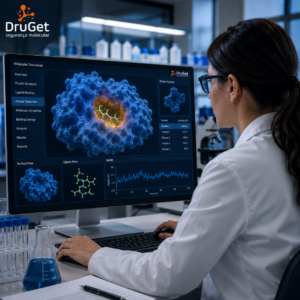
Moreover, evaluate pharmacokinetic and toxicological properties (ADME-Tox) early in the process using in silico methods and NAMs (New Approach Methodologies).
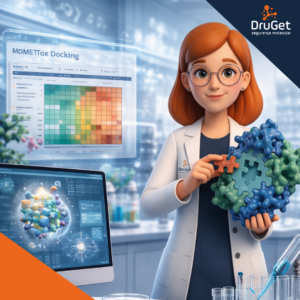
Use computational models to predict toxicity, hepatotoxicity, and molecular interactions — tools recognized by FDA and EMA as regulatory support.
Clear and Traceable Documentation
For a new regulatory submission, keep records of protocols, results, deviations, and justifications in validated electronic systems such as ELN or LIMS.
Structure technical reports according to the CTD (Common Technical Document) standard.
Well-organized documentation speeds up reviews and prevents requests for additional information, reducing delays.
Sustainability and Ethics in Regulatory Submission
Regulatory updates increasingly emphasize environmental impact and the use of alternative methods.
Evaluate the product lifecycle and waste, especially in the agrochemical sector.
Use NAMs to demonstrate ethical commitment and align your project with international standards.
Early Dialogue with Regulators
Effective submissions involve prior interaction with regulatory agencies:
Schedule scientific advisory meetings with ANVISA, FDA, or EMA.
Furthermore, align test methodologies, clinical endpoints, and validation approaches before formal submission.
Benefits of Preparing Your Research for a New Regulatory Submission
Projects that integrate regulatory compliance from the start:
-
Save time and resources;
-
Increase the probability of approval;
-
Strengthen scientific and market credibility.
At DruGet, we provide support with computational analyses, regulatory intelligence, and alternative methods, ensuring your innovation reaches the market safely, efficiently, and in compliance.