Dia: 20 de novembro de 2025

  • Por que substituir testes em animais?
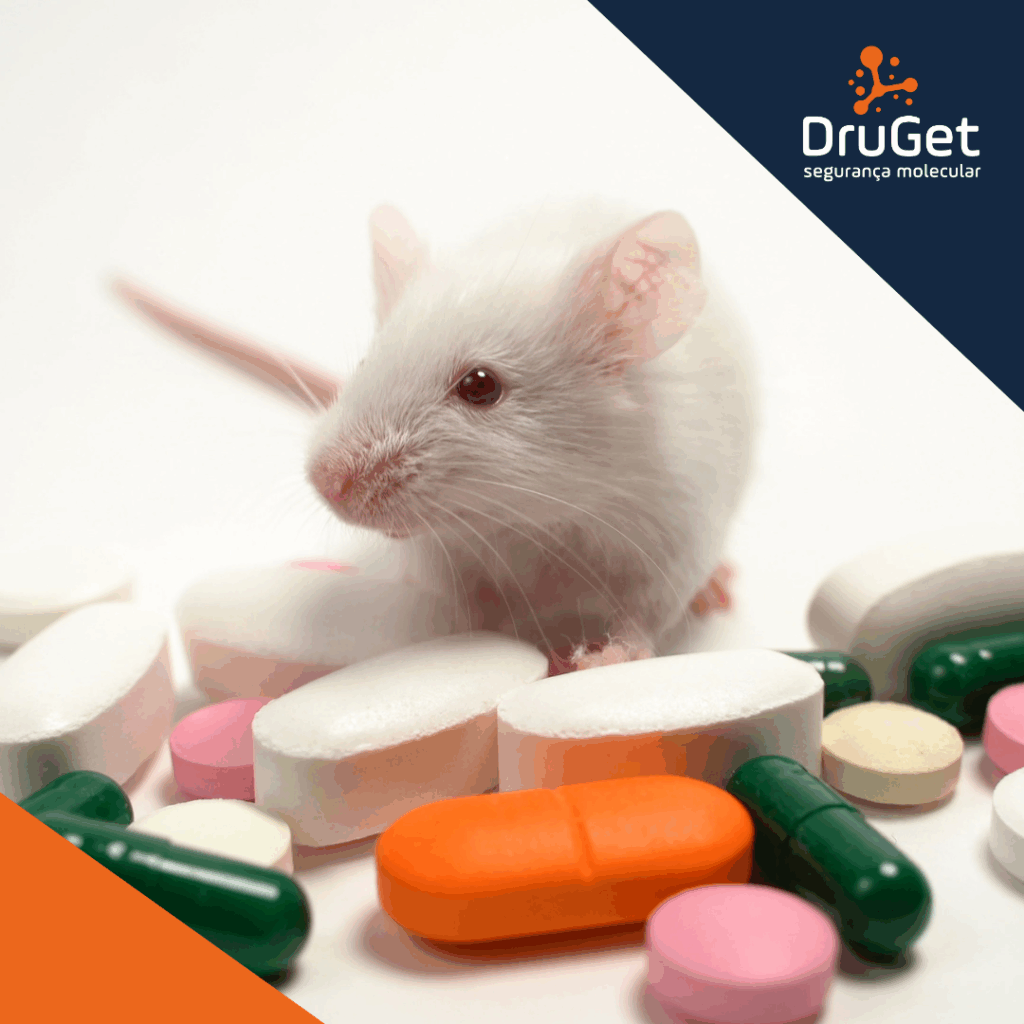
    Por que substituir testes em animais?

    O debate sobre por que substituir testes em animais ganhou força nos últimos anos. Isso ocorre porque, além dos avanços científicos, há pressões éticas e mudanças regulatórias que, consequentemente, tornam os métodos alternativos essenciais para modernizar o P&D. Dessa forma, a indústria passa a adotar soluções mais rápidas, sustentáveis e alinhadas à biologia humana.

    Ética e bem-estar animal

    A preocupação global com o bem-estar animal, portanto, é um dos principais motores dessa mudança. O conceito dos 3RsRefine, Reduce e Replace — orienta legislações que, por sua vez, estimulam práticas mais humanas. Além disso, diversos países já proibiram o uso de animais em testes cosméticos, o que demonstra um movimento crescente de responsabilidade ética.

    Precisão científica e novas tecnologias

    Métodos como órgãos-em-chip, culturas 3D, modelagem molecular e toxicologia computacional já demonstram potencial superior em diversas análises. Por utilizarem sistemas biológicos humanos, essas ferramentas fornecem resultados mais aplicáveis à realidade clínica.

    Desenvolvimento mais rápido

    Os testes tradicionais podem levar meses, enquanto métodos alternativos oferecem ciclos muito mais curtos. Simulações computacionais, por exemplo, são capazes de prever riscos em minutos, permitindo que equipes descartem candidatos inviáveis logo no início.

    Redução de custos

    Além do tempo, há impacto direto nos recursos financeiros. O uso de animais envolve estruturas complexas, mão de obra especializada e longos protocolos. Já os métodos alternativos reduzem insumos, facilitam automação e diminuem etapas inconclusivas.

    Aceitação regulatória crescente

    OECD, FDA, EMA, ANVISA e CONCEA já validam diversas abordagens substitutivas e incentivam o uso de NAMs. O movimento regulatório internacional aponta para uma adoção cada vez mais ampla, ampliando a segurança jurídica e técnica de quem utiliza esses métodos.

    Sustentabilidade e responsabilidade ambiental

    Ao diminuir o uso de animais e reduzir resíduos, os métodos alternativos ajudam a construir processos mais limpos e alinhados às diretrizes de ESG. Associados à ciência computacional, tornam o P&D mais eficiente e responsável.

    Conclusão

    A substituição parcial ou total de testes em animais não é apenas uma questão ética — é uma estratégia que melhora a precisão científica, reduz custos, acelera projetos e fortalece a sustentabilidade. À medida que reguladores e centros de pesquisa adotam tecnologias inovadoras, cresce a oportunidade de desenvolver produtos mais seguros, modernos e competitivos.

  • Why replace animal testing?

    Why replace animal testing?

    The debate on why animal testing should be replaced has gained momentum in recent years. This is because, in addition to scientific advances, ethical pressures and regulatory changes have increasingly made alternative methods essential for modernizing R&D. As a result, the industry has begun adopting faster, more sustainable solutions that are better aligned with human biology.

    Ethics and animal welfare

    Global concern for animal welfare is, therefore, one of the main drivers of this shift. The 3Rs concept — Refine, Reduce, and Replace — guides legislation that, in turn, encourages more humane practices. Moreover, several countries have already banned the use of animals in cosmetic testing, reflecting a growing movement toward ethical responsibility.

    Scientific precision and new technologies

    Models such as organs-on-chips, 3D cultures, molecular modeling, and computational toxicology offer superior precision in many analyses. Because these technologies rely on human biological systems, their results are often more relevant. On the other hand, animal models do not always reflect human physiology, reinforcing the need for more modern methods.

    Faster development

    Traditional methods may require weeks or months to generate data, whereas innovative alternatives provide results much more quickly. Computational simulations, for instance, can process information in minutes. Consequently, it becomes possible to discard unviable molecules early on and focus only on promising candidates.

    Cost reduction

    Beyond speed, there is a significant reduction in resource use. In vivo methods require complex facilities, specialized staff, and lengthy protocols. Alternative methods, however, reduce the consumption of materials, facilitate automation, and prevent rework. In this way, they lower financial risks and make R&D more competitive.

    Growing regulatory acceptance

    Regulatory acceptance is also advancing rapidly. OECD, FDA, EMA, ANVISA, and CONCEA now recognize numerous replacement methodologies and further encourage the use of NAMs. This scenario, therefore, offers greater assurance to companies seeking to innovate responsibly.

    Sustainability and environmental responsibility

    Alternative methods significantly reduce environmental impact. By minimizing the use of animals, they also reduce biological waste and high-impact procedures. Combined with computational science, they contribute to cleaner, more ethical R&D aligned with ESG requirements.

    Conclusion

    Replacing animal testing is not merely an ethical decision; it is, above all, a smart strategy. This is because alternative methods increase precision, reduce costs, accelerate processes, and strengthen sustainability. Finally, as regulators and research centers continue to validate these approaches, opportunities grow to develop safer, more modern, and more competitive products.